Mbahri: A Designer’s Review of This Elegant Handwritten Script Font
It was one of those mornings where the blank brand board feels heavier than a parked truck. I had just started sketching out a visual identity for a new artisanal tea shop, and the logo concept needed something that felt warm, personal, and just a touch refined. That’s when I opened up my font library and gave Mbahri a shot.
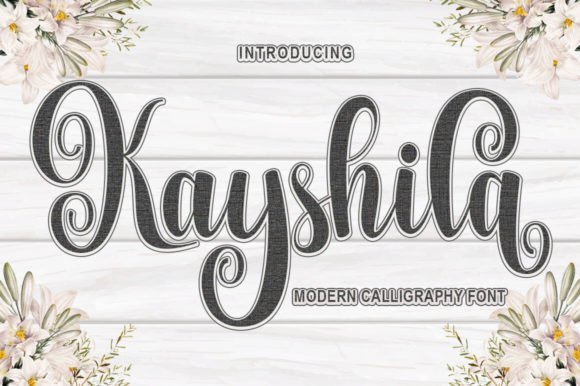
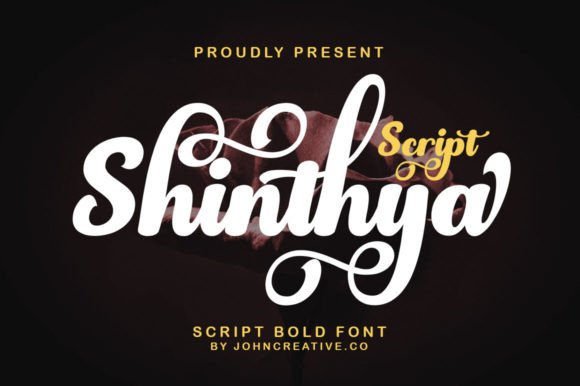
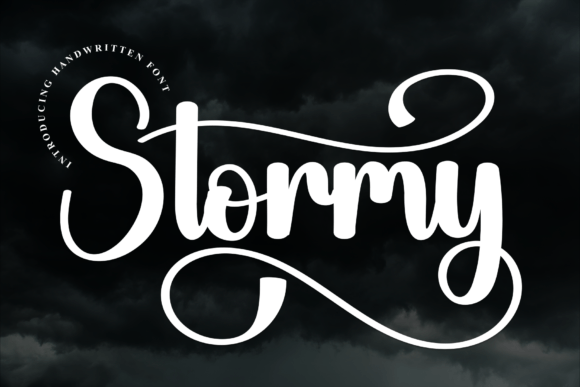
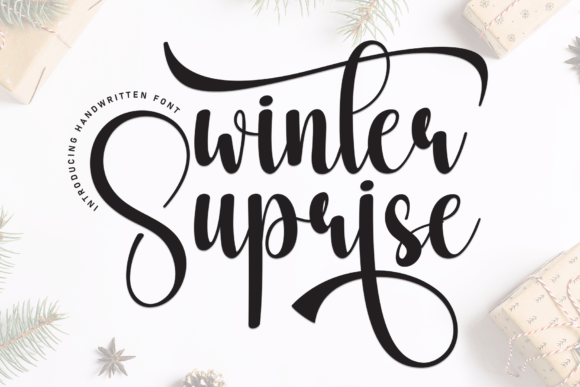
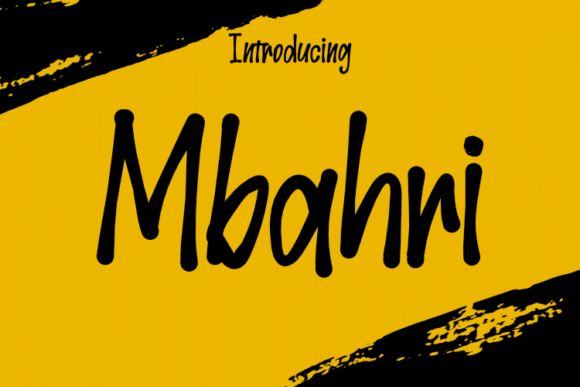
Mbahri is a modern handwritten script font that blends contemporary flair with the grace of traditional calligraphy. It’s part of the Script Amp category, and from the first letter, it felt like a designer’s secret weapon for adding a touch of elegance without overdoing it. The letterforms are fluid and slightly bouncy, with clean strokes and just enough variation in weight to keep things visually engaging.
Testing Mbahri in Real Branding Work
I dropped Mbahri into the logo draft first. The client wanted something approachable but not casual, and Mbahri hit that sweet spot. I tried a few alternatives—like a more formal script and a minimalist sans serif—but neither gave the same sense of warmth and authenticity. Mbahri’s personality came through instantly, especially in the logotype and tagline.
Next, I moved it into the brand board mockup. I used it for section headers and quote callouts. It worked beautifully as a display font, especially when paired with a clean sans serif like Lato or Roboto. The contrast between the soft curves of Mbahri and the structured lines of a sans serif created a visual rhythm that felt both modern and timeless.
Performance Across Design Formats
I also tested Mbahri on a few different design assets:
- Packaging mockups: On a tea box layout, Mbahri looked elegant and handcrafted. It worked well for the product name and a short tagline, though I wouldn’t recommend it for longer descriptions due to its script nature.
- Business cards: Used as the brand name at the top, it added a personal touch that stood out from the usual blocky fonts.
- Website headers: On a hero section mockup, Mbahri gave the site a boutique feel. It looked best at larger sizes, where its details could breathe.
- Social media layouts: For Instagram quotes and highlight covers, it brought a polished, curated look that aligned well with the brand’s aesthetic.
It’s worth noting that Mbahri isn’t built for long-form body text. Its script style makes it less readable in paragraph form, especially at smaller sizes. So while it’s perfect for headlines, logos, and accents, it’s best paired with a more legible font when designing for extended reading.
Pairing Mbahri With Other Fonts
One of the most satisfying parts of working with Mbahri was exploring font pairings. Since it’s a script font with a contemporary edge, it pairs exceptionally well with:
- Serif fonts: A soft serif like Merriweather or Playfair Display complements its elegance and gives a classic, editorial feel.
- Sans serif fonts: For a modern contrast, I used Montserrat and Open Sans. The clean lines balanced Mbahri’s flourishes without clashing.
- Other scripts: If you’re going all-in on a handwritten look, pairing Mbahri with a more casual script can create a layered, hand-drawn feel—great for greeting cards or packaging labels.
Because of its decorative nature, Mbahri shines best when used sparingly. Think of it as the jewelry of your typographic wardrobe—something that elevates the whole look without overwhelming it.
Technical Notes and Practical Tips
From a technical standpoint, Mbahri delivers solid support for most design workflows. It comes in both desktop and webfont formats, which made it easy to use across design tools and web mockups. The font includes several ligatures and alternate characters, giving you some flexibility in how you present text—especially useful for logos or quotes where customization matters.
Multilingual support is decent, covering Western European languages, which is great if you’re working on international brand projects. However, if you’re targeting non-Latin scripts, you’ll want to double-check coverage before committing.
As with any commercial font, it’s essential to review the licensing terms before using Mbahri in client work. If you're designing templates, packaging, merchandise, or digital products, make sure the license allows for those specific applications. A small oversight there can turn into a big headache later.
When Mbahri Might Not Be the Best Fit
Despite its strengths, Mbahri isn’t a one-size-fits-all solution. If you're working on a formal corporate identity, a minimalist tech brand, or anything that requires heavy use of body copy, this font might not be your best bet. Its handwritten style can feel out of place in overly structured or technical environments.
Also, if your project requires legibility at small sizes—like on a product label viewed from a shelf—Mbahri might lose clarity. Its flourishes and connected strokes are part of its charm, but they can blur together when scaled down.
Final Take: A Go-To for Elegant, Handwritten Flair
After testing Mbahri across multiple branding assets—from logo design to packaging mockups and social media visuals—I can confidently say it’s a strong contender in the Script Amp category. It brings a modern, elegant touch to any design project without feeling forced or overly trendy.
Whether you're designing a boutique identity, a creative studio logo, or handmade shop branding, Mbahri deserves a spot in your font lineup. Just remember to test it in context, pair it thoughtfully, and always check licensing before final delivery. Used well, it’s a font that adds not just style, but soul to your work.