Elegant Signature Font: Handsome Romeo in Real Branding Projects
A Signature Style That Speaks Volumes
Opening a new brand board always feels like stepping into a blank canvas of possibilities. On my latest project — a boutique skincare brand refresh — I reached for Handsome Romeo as a potential headline font. At first glance, it felt like the perfect fit: a script amp font with the warmth of a handwritten signature and the polish of a premium typeface.
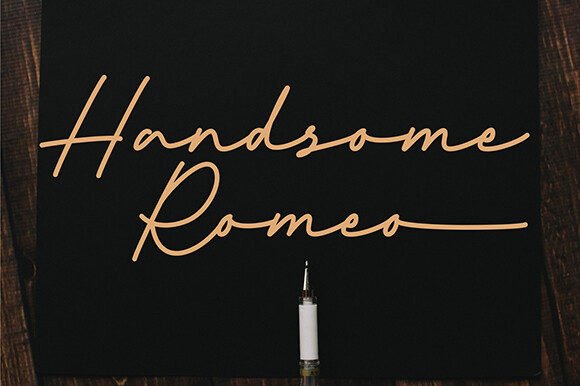
Handsome Romeo is an elegant signature font that mimics the natural flow of quick, confident handwriting. It carries a classy, timeless appeal — the kind that whispers luxury without shouting for attention. It’s not overly ornate, but it has enough character to stand out in design contexts where warmth and authenticity matter.
Logo Design and Brand Identity: A Natural Fit
When I tested Handsome Romeo on a logo draft, the result was surprisingly refined. The font’s natural stroke variation and soft curves gave the brand a sense of approachability and sophistication. It worked especially well as a secondary logotype beneath a minimalist sans serif, creating a balanced visual hierarchy.
In the brand board mockup, I used the font for taglines, product names, and even social media headers. It held up beautifully across both print and digital assets. The script style gave the brand personality, while the elegant structure kept it feeling professional and cohesive.
Packaging and Print: Classy, But Needs Space
One of the most revealing tests came when I placed Handsome Romeo on a packaging mockup for custom lip balm labels. The font looked stunning on the front panel — elegant, feminine, and modern. It gave the product a boutique-level finish that elevated the perceived value.
However, I noticed that in smaller sizes — like on the back label with ingredient lists — Handsome Romeo lost some legibility. It’s definitely a display font, best used for short phrases, headlines, or accents rather than long body text. For packaging, I’d recommend using it only where it can shine at larger sizes and with plenty of white space.
Web and Social Media: Stylish, But Strategic
For the brand’s website header and Instagram templates, I tested Handsome Romeo as a headline font. It added a personal touch to hero sections and quote graphics, especially when paired with a clean sans serif like Montserrat or Lato.
That said, I’d advise caution when using it for web body text or in fast-scrolling social media layouts. While it performed well as a decorative font and logo font, its script nature made it less ideal for extended reading. It’s best used sparingly to draw attention without overwhelming the viewer.
Font Pairing and Practical Design Tips
One of the strengths of Handsome Romeo is how well it plays with other typefaces. As a script font, it pairs beautifully with serif fonts for a timeless editorial feel, or with modern sans serifs for a clean, contemporary contrast.
- Serif pairing: Use with Playfair Display for a vintage-inspired wedding brand.
- Sans serif pairing: Combine with Open Sans or Raleway for a soft yet modern brand system.
- Script pairing: Layer with a second script like Allura for layered design assets — just be sure to vary weights and spacing.
It’s also worth checking the included styles and alternates if you're working on a detailed project. Some signature fonts offer ligatures and swashes that add depth — perfect for logos, quotes, or special packaging treatments.
When Handsome Romeo Isn’t the Right Choice
While Handsome Romeo shines in branding and editorial design, it’s not a one-size-fits-all solution. Avoid using it in formal corporate settings where readability and neutrality are key. It’s also not ideal for:
- Body copy in long-form content
- Small-sized print like receipts or technical labels
- High-contrast environments (e.g., dark backgrounds with light text)
- Logos that need to scale down significantly (e.g., on favicons or app icons)
If your project requires a versatile typeface that works across all media and sizes, consider pairing it with a more functional font family rather than relying on it alone.
Final Notes: Licensing and Practical Use
Before using Handsome Romeo in final client work, always verify the font’s licensing terms. Many premium fonts come with restrictions on commercial use, especially for webfonts, merchandise, and print-on-demand products.
Check whether the font includes webfont versions and what formats are supported (OTF, TTF, WOFF, etc.). If you're designing templates or assets for resale, ensure the license covers those use cases. A beautiful font like this deserves to be used — but used correctly.